Guide
What is ceremonial cacao?
Ceremonial cacao is pure cacao paste made from whole beans, drunk slowly as a warm drink. Here is what it is, where it comes from, and how to choose and prepare it.
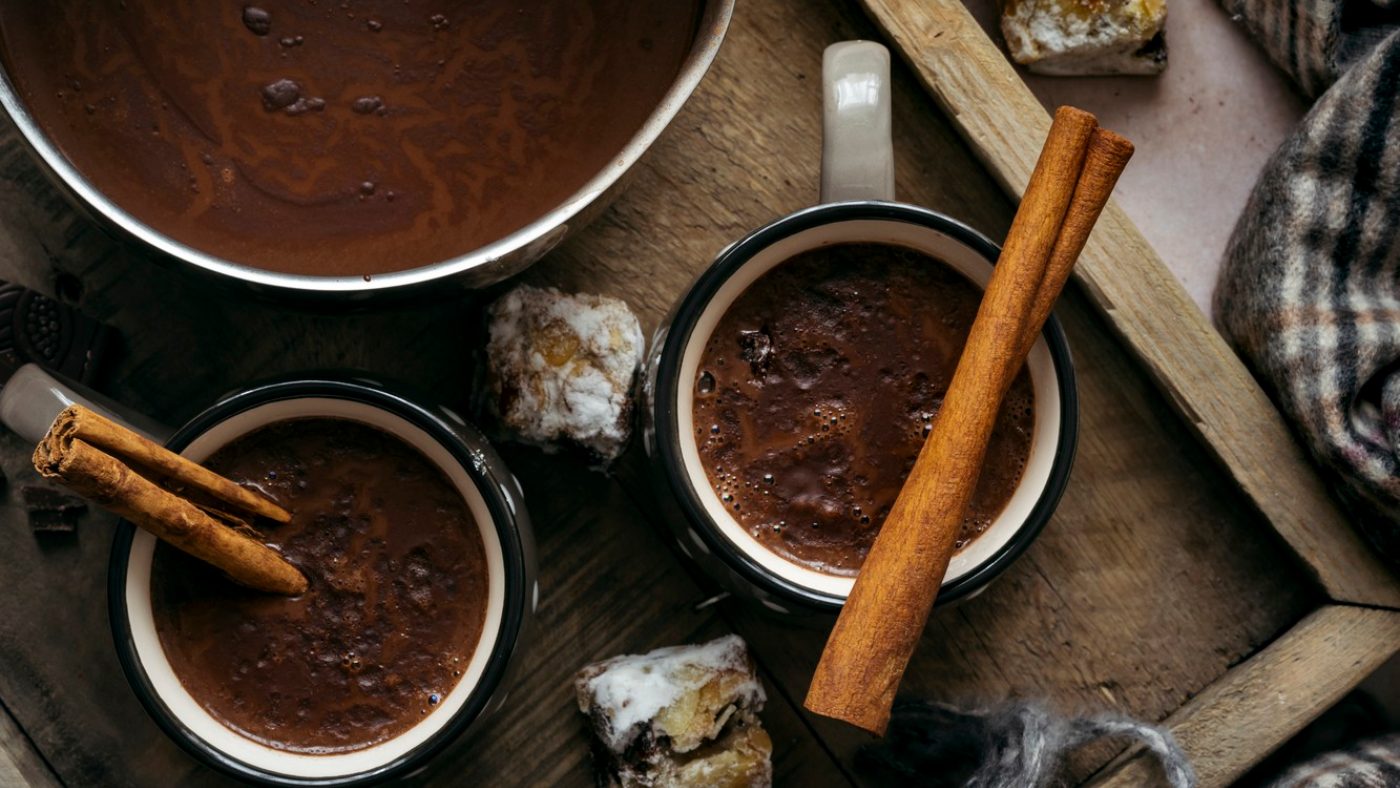
Pure cacao, nothing taken away
Ceremonial cacao is pure cacao paste. The beans are fermented and dried by the farmers, then usually lightly roasted, peeled and stone-ground into a thick paste. Nothing is removed and, in a good ceremonial cacao, nothing is added: no sugar, no milk, no extra fat.
Most people drink it rather than eat it. The paste is chopped, melted into hot water and whisked into a rich, full-bodied drink. Many drink it slowly and with intention, alone or in a group, which is where the word "ceremonial" comes from.
There is no official definition
"Ceremonial" is not a protected or graded term. Unlike specialty coffee, there is no standard that a cacao must meet to carry the name, so the word on the label tells you little on its own [3]. What makes a ceremonial cacao good is the cacao itself and how it was grown and made.
When choosing one, look for:
- 100% cacao, with no sugar, milk powder or added cocoa butter.
- A named origin: a country, a region and ideally the farmers or community.
- Minimal processing: whole beans, gently handled, stone-ground into paste.
- Fair, transparent sourcing: who grew it, and how they are paid.
How it differs from cocoa powder and chocolate
Most of the world's cocoa follows an industrial route: the beans are roasted, often alkalised, and pressed to separate the cocoa butter from the cocoa powder [2]. Chocolate then adds sugar and is refined further. Ceremonial cacao skips most of these steps and keeps the whole bean, including all of its natural cocoa butter. That is why it melts into a thick, velvety drink and tastes so different from a cup of cocoa.
A very old tradition
People were using cacao long before chocolate bars existed. The oldest evidence comes from Santa Ana-La Florida in the upper Amazon of today's Ecuador, where traces of cacao were found in pottery of the Mayo-Chinchipe culture from about 5,300 to 5,450 years ago, around 1,500 years before the Olmec and Maya made their cacao drinks [1]. In Mesoamerica cacao later became a sacred drink and was used in rituals, offerings and celebrations.
Today, ceremonial cacao is also part of meditation circles, yoga, breathwork and gatherings around the world [3]. It is worth remembering that it comes from Indigenous cultures, and that many of the best ceremonial cacaos are still grown by Indigenous families.
How to prepare a cup
- Chop or grate the amount your cacao maker recommends.
- Heat water until hot but not boiling.
- Add the cacao and whisk or blend until smooth and slightly frothy.
- If you like, add a pinch of cinnamon, chilli or a little honey.
- Drink it slowly. Notice the taste, the warmth, and how you feel.
Find your favourite
Scores on Your Ceremonial Cacao Favorites come only from people who drink cacao. Taste one, then add your own score and a few words.
More guides
Sources
- Science News: Ancient South Americans tasted chocolate 1,500 years before anyone else (Zarrillo et al., Nature Ecology & Evolution, 2018)
- Confectionery News: Ceremonial cacao explained (2026)
- Cocoa Runners: Ceremonial cacao, the good, the bad and the slightly mad
Last checked 2026-11-02.